
PERSONAL TAXATION
PERSONAL TAXATION
The term ‘Personal Taxation’ is perhaps a bit misleading. It is intended to provide an introduction to records where people’s names may be found. However, the ‘taxes’ or dues they have to pay may be due to the property they happen to own, rather than the individual person.
People have been taxed since the dawn of civilisation, whether it be in kind, service or coin. Religious institutions, land owners and local and national governments all collected (or tried to collect) their dues to fund varying expenses and projects.
Records of named tax-payers go back for hundreds of years, although their survival is variable. Where individuals are named, most are men since for much of history it was only men who were permitted to own taxable property. The public records are rich in the names of these people, and the National Archives has issued Lay Taxes in England and Wales 1188-1688 which it continues to expand with additional material online. This large volume, not available online, explains the scope of the different national taxes and helps to explain why some people do not appear in a given list of taxpayers.
A number of records of Herefordshire tax-payers have been published but cannot be reproduced here because of copyright restrictions. Instead, we offer a select bibliography and a number of links to records that are available.
This topic has been divided into sub-sections for the different records, which vary from hearth taxes, through manorial rentals, to penalties for removing timber from waste land.
It is possible to tabulate the organisations that may claim dues from an individual living in Herefordshire.
Categories continue to be added, and records updated.
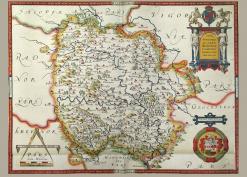
In particular, some information about previously very important divisions of the county – HUNDREDS – can be found here.
A more detailed map of the hundreds can be seen here (sorry, Club members only). This is particularly relevant to the personal name indexing method used in publications of transcriptions by Michael Faraday. It is explained further under the sub-section 'Hearth Taxes'.